 Skip to content
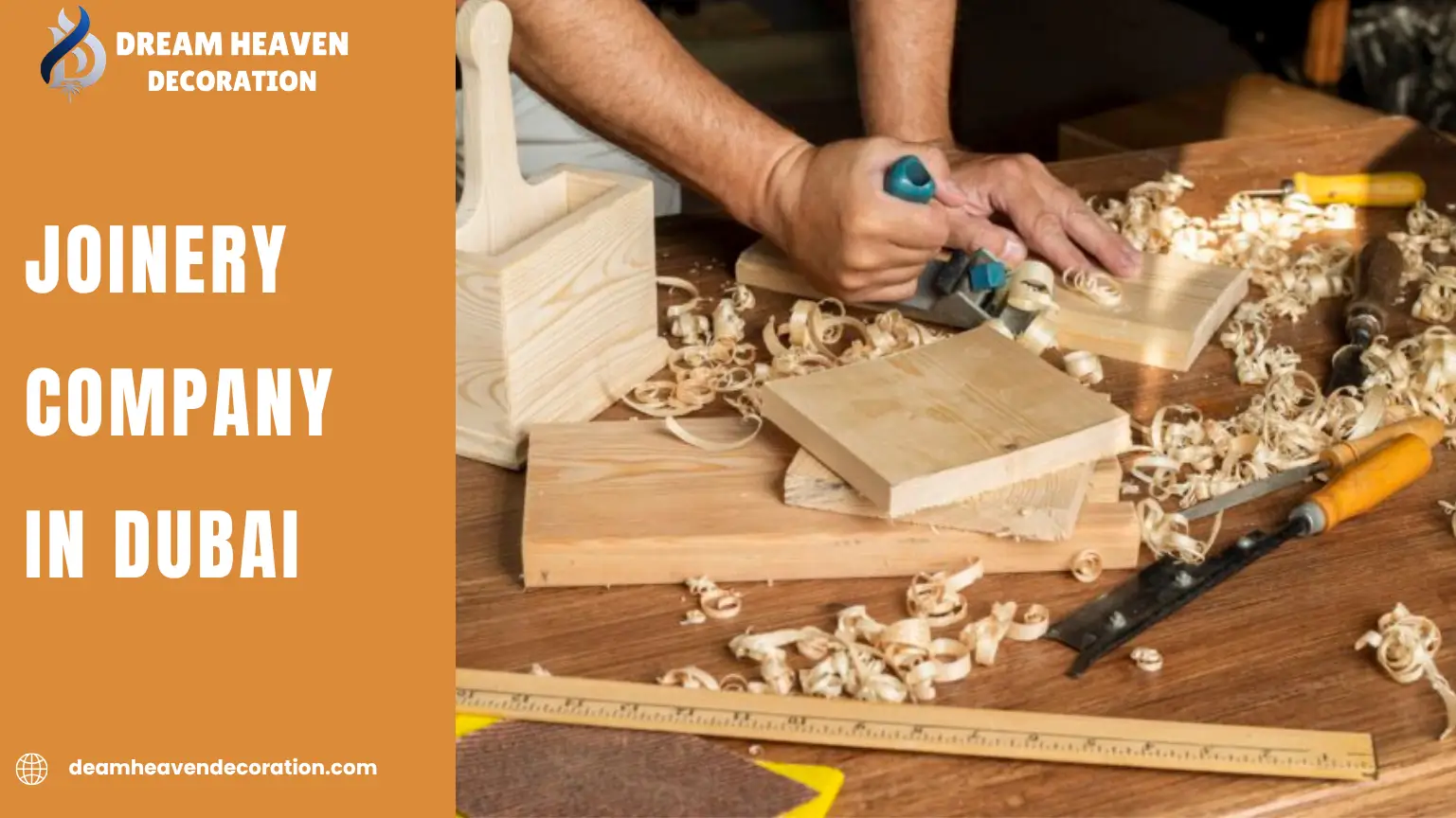
Search "joinery company in Dubai" and you'll get a hundred results promising custom everything. Most of them are fine for a basic wardrobe. Far fewer can handle a full kitchen, a built-in TV unit, and matching bedroom joinery without the grain, the color, and the hardware quality drifting between rooms. I've spent years running joinery and carpentry packages alongside our kitchen design & modification services, and the difference between a good joinery company and an average one almost always comes down to what happens in the workshop, not the showroom.
What a Joinery Company in Dubai Actually Builds
Joinery covers more ground than people assume. It's wardrobes, kitchen cabinetry, TV units, bookshelves, vanity units, wall paneling, and bespoke furniture, all built to fit a specific space rather than bought off a shelf. A serious joinery company in Dubai works closely with kitchen cabinet design teams and interior designers from the layout stage, not after the walls are painted, because retrofitting custom joinery into a finished space almost always means compromises nobody wanted.
We usually get pulled into a project either at the design stage, where we're shaping the layout around the joinery, or later, when a client wants matching furniture across an apartment that a general contractor already fitted out as part of a broader residential interior design scope. Both work, but starting early saves money, since we can plan services and skirting around the joinery instead of working around them.
Wardrobes
Fitted to the exact room, floor to ceiling.
Kitchen Cabinetry
Cabinets planned with worktops, appliances and services.
TV Units
Built-in units with concealed cabling.
Bookshelves
Custom shelving sized to the wall and the collection.
Vanity Units
Moisture-aware cabinetry for bathrooms.
Wall Paneling
Slatted and fluted wall finishes.
Bespoke Furniture
Pieces built to fit a specific space rather than bought off a shelf.
Materials That Actually Matter
MDF and Plywood
MDF with a good quality laminate or PU (polyurethane) finish is the honest default for most wardrobes and cabinetry in Dubai. It's stable, resists warping better than solid wood in air-conditioned interiors, and takes paint finishes cleanly. Plywood costs more but handles moisture better, which matters near kitchen sinks and bathroom vanities where MDF can swell if water gets in.
Solid Wood vs Veneer
Solid wood looks beautiful and clients ask for it constantly, but honestly, I'd talk most people out of full solid wood cabinetry in Dubai. The temperature swings between AC-cooled interiors and balcony doors left open cause real movement in solid timber over a year or two, and doors can start sticking or gapping. Veneer over a stable MDF or plywood core gives you almost the same look with far less risk.
Hardware
Hardware is where budget joinery companies cut corners without you noticing until month three. Soft-close hinges and runners from brands like Blum or Hettich cost more than generic alternatives, but they're the difference between drawers that still glide smoothly after two years and ones that start sagging within months. Ask your joinery company in Dubai to name the hardware brand in writing, not just "European hinges." It sounds like a small thing until you're the one dealing with a sagging drawer eighteen months in, and the company that installed it has gone quiet on WhatsApp.
Call to Action Today
Book a free consultation with the Dream Heaven Decoration team.
Book a Free ConsultationThe Process, From Measurement to Install
Every joinery company in Dubai worth hiring should be able to walk you through roughly this sequence, even if the exact steps get renamed on their website.
- Site measurement and design consultation. Checking existing walls and services before anything is drawn.
- Shop drawings and 3D visuals. So you can approve exact dimensions, finishes, and hardware before production starts.
- Material and finish sign-off. With physical samples, not just a screen render.
- Workshop fabrication. Typically takes two to four weeks depending on the scope.
- Site installation and adjustment. Fitting panels to the actual walls, which are rarely perfectly square.
- Final inspection and handover. Checking every drawer and door closes properly before we leave.

Timelines and What Joinery Actually Costs
| Scope | Typical Timeline | Indicative Cost |
|---|---|---|
| Single fitted wardrobe | 2–3 weeks from sign-off to installation | Basic MDF laminate from AED 800–1,200 per linear metre |
| High-end veneer or lacquer | Depends on scope | Can pass AED 2,500 per linear metre with premium hardware |
| Full apartment package (wardrobes, kitchen, TV unit) | 4–6 weeks once designs are approved | Kitchens run higher once worktops and appliances are included |
Pricing varies a lot based on finish. Anyone giving you a number before seeing your space and finish preferences is guessing, and honestly, that's a fair warning sign whenever a joinery company in Dubai quotes over the phone without ever visiting the unit.
Approvals and Site Access, the Part People Forget
Joinery installation itself rarely needs a municipality NOC the way structural or electrical work does, but if you're doing it as part of a broader renovation, the same building access rules apply. This is one detail a lot of first-time clients don't realise until scheduling day, so it's worth asking any joinery company in Dubai upfront how they handle building coordination. Freight lifts, working hours, and material delivery windows all affect how fast we can install.
Mistakes We See Often
- Choosing finish colors from a small swatch. Lighting changes everything — a color that looks warm on a 2-inch chip can look grey under LED downlights. Use a full sample board.
- Skipping accurate site measurement before ordering hardware. Walls in older buildings are rarely straight, and joinery built to paper dimensions instead of as-built dimensions ends up with visible gaps.
- Forgetting ventilation inside tall wardrobes. In humid months, a small vent panel avoids a musty smell nobody wants to deal with later.
Any experienced joinery company in Dubai should be flagging these details before production starts, not fixing them after installation.
Choosing a Joinery Company in Dubai You Can Trust
- See a finished project in person. Photos hide seam lines and finish quality that matter up close.
- Ask who does the fabrication. Some companies subcontract everything, and quality varies wildly between jobs.
- Get hardware brand and warranty terms in writing. Before you sign, not after.
A joinery company in Dubai that's confident in its work will happily show you all three.

See Our Latest Projects
Explore kitchens, wardrobes and bespoke joinery we have built across Dubai.
View Our PortfolioFrequently Asked Questions
How long does custom joinery take in Dubai?
Is MDF or plywood better for wardrobes in Dubai?
How much does custom joinery cost in Dubai?
Does joinery installation need approval from the building or municipality?
What's the difference between a joinery company and a furniture shop?
Should I choose solid wood or veneer for cabinetry?
How do I choose a reliable joinery company in Dubai?
Ask the Right Questions Before You Sign
Good joinery is one of those things you don't notice when it's done right and can't stop noticing when it isn't — a drawer that sticks, a seam that doesn't line up, a finish that's already chipping. Whether you're comparing a few options after searching "joinery company in Dubai" or you already have a design in mind, the questions above are worth asking before you sign anything. If you're planning a kitchen, wardrobes, or a full joinery package and want an honest quote based on your actual space, book a free consultation and we'll walk you through material and hardware options without the upsell. You can also see more of our finished work on the Dream Heaven Decoration homepage.
Planning Your Joinery Package?
Get an honest quote from Dream Heaven Decoration based on your actual space — materials and hardware explained, without the upsell.
Book a Free ConsultationGuarantees & Policies
At Dream Heaven Decoration, we believe trust is built through transparency, quality, and commitment. Every project we take on is guided by strict standards to ensure excellence and client satisfaction from start to finish.
On-Time Delivery
Projects completed on schedule without compromising quality.
Customer Satisfaction
Every step is tailored to match your vision perfectly.
Get a Free Quote
Contact our experts for a customized quote and consultation.
